ABOUT MOBILE APPS
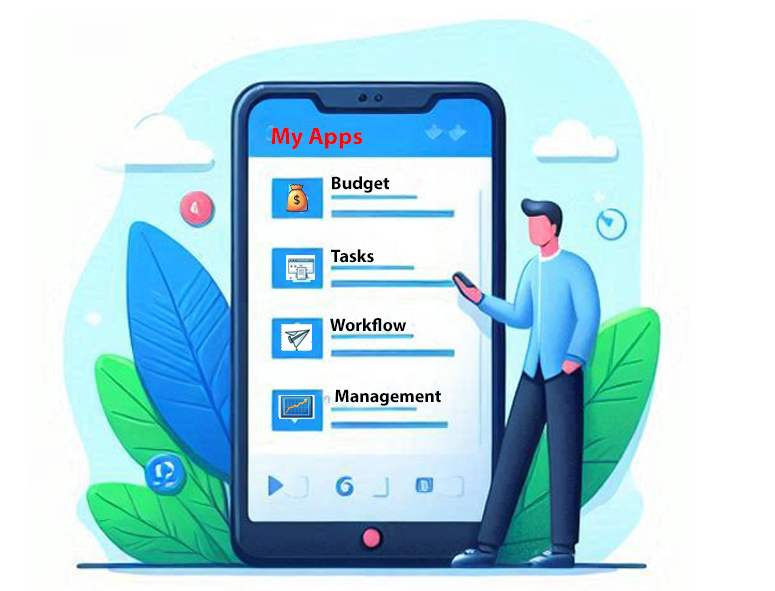
Mobile applications are software programs that run on mobile devices, such as smartphones and tablets. They offer a convenient and user-friendly way for mobile users to access information, services, or entertainment that suit their specific needs. Mobile app development is the process of creating, testing, and maintaining these applications.
ANDROID AND IOS
There are two main platforms for mobile app development: Android and iOS. Each platform requires different programming languages and tools. Developers can create native apps that are specific to one platform, or they can use frameworks like React Native, Flutter, or Xamarin to build cross-platform apps that can run on both platforms. When you outsource mobile app development, you can choose to work with a mobile app outsourcing company that specializes in one platform, such as Android app development outsourcing, or one that can handle both platforms.
Mobile app development involves several steps, such as planning, wireframing, designing, coding, testing, and launching. It also requires constant updates and improvements to keep up with user expectations, new technologies, and security standards.

NATIVE APPS DEVELOPMENT VS. CROSS-PLATFORM APPS DEVELOPMENT
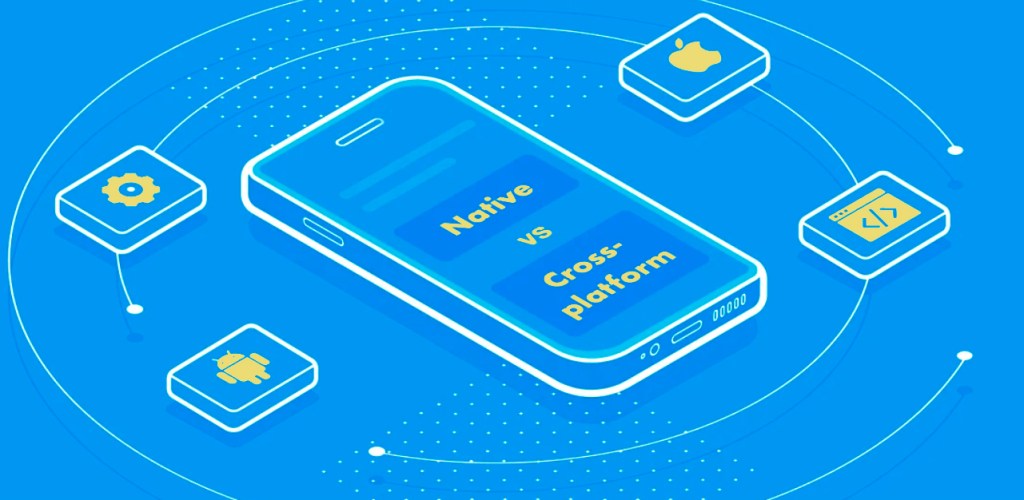
Native Apps development
The phrase “native app development” describes the process of creating a mobile application only for one platform. The app was created using tools and programming languages that are exclusive to one platform. For instance, you can create native iOS apps using Swift and Objective-C and native Android apps using Java or Kotlin.Recruiting
Because they are typically very fast, native apps are recognized to provide excellent user experiences. Due to the aesthetics’ compatibility with the platform’s UX, the user experience is also improved. However, because they must conduct concurrent development for multiple platforms, startups worry about the high cost of native app development.
We at Wonawis develop native apps utilizing Java/Kotlin or Swift/Objective-C.
Native Apps vs Cross-Platform Apps
Native app development benefits
Wide-ranging Functions
Every API and tool offered by the platform you’re working on will be available to you. There are no restrictions on how the programmers could use the new app technically.
Improved Store Support
Because it offers greater performance and speed, a native app is simpler to publish and typically rated higher on the platform’s app store.
Higher Scalability
Due to the flexibility in resource management and the variety of tools available, natively developed apps also tend to be more scalable.
Excellent user experience and performance
Direct contact between the code and the underlying resources results in high performance. Furthermore, native apps frequently provide a better UX that is unique to the platform.
Native app development cons
Costly
Costly Native App Development Has Drawbacks
When you need to launch for both iOS and Android, it could be expensive to design native apps. Two teams must be deployed, each using a different set of platforms.
Time
It takes time. Because the work done on one platform cannot be duplicated for another, creating native apps requires time. A different team must instead work on the second edition.
Cross-platform APPS development
The process of developing an app that is compatible with many platforms is known as cross-platform development. The apps generated can be deployed on both Android and iOS by using tools like React Native, Xamarin, and Flutter.
Cross-platform development can reduce costs and time, but there is a chance that quality could suffer. The performance of an app will suffer as a result of the additional abstraction layer that is required to make it work efficiently across different platforms.
Startups will prefer cross-platform development because of the time and money savings. You should be aware, nevertheless, that going beyond the framework’s permitted customizations may be more challenging.
Benefits of Cross-Platform App Development
Cheaper
To design a cross-platform program, you will only require one development team as opposed to two. Consequently, you will reduce the cost of development
Fast development
A single development cycle is sufficient to produce an app that works across various platforms.
Only one code base
There is only one code base built for the app because it was developed using a single cross-platform development tool.
Developing Cross-Platform Apps cons
Slower App
The cross-platform application is slower than its native counterpart because it requires an additional abstraction layer and rendering procedure.
Limited Capability
Accessing smartphone features like the microphone, camera, and geolocation in ways that are feasible for a native app may be challenging for developers.
Limited UX
Native UX elements are inaccessible to cross-platform programs. As a result, it cannot provide the same UX experience to which the platform is accustomed.
MOBILE OUTSOURCING
Outsourcing mobile app development is a strategy that allows businesses to delegate the task of creating and maintaining mobile applications to external agencies. This option has many benefits for businesses that want to optimize their resources, save time, and expand their market.
Some of the reasons why you should consider outsourcing mobile app development are:
Cost reduction
Developing a mobile app in-house can be expensive, especially for small and medium-sized businesses (SMBs). It requires hiring developers, designers, and project managers, as well as setting up the infrastructure and tools needed for the development process. Outsourcing mobile app development can help businesses cut down on costs by taking advantage of lower prices offered by external agencies, which may be located in regions with lower labor and operational costs.
Access to specialized skills and expertise
Outsourcing mobile app development gives businesses access to a larger pool of talent. By working with an experienced mobile app outsourcing company, you can benefit from their knowledge and skills in various technologies, programming languages, and platforms, as well as their ability to adapt to changing trends. These professionals can deliver high-quality, scalable, and secure apps that meet your business requirements.
Faster time-to-market
Launching your mobile app to the market as soon as possible is crucial to gain a competitive edge. Outsourcing can help you speed up the development process by leveraging the technical expertise, experience, and established processes of an external company. They can manage the development process efficiently and effectively, quickly resolving any issues that may arise, and ensuring a shorter time-to-market.
Increased focus on core business
Mobile app development can be a complex and time-consuming process that may distract resources and attention from your core business activities. By choosing to outsource mobile application development, your in-house team can focus on critical business tasks while the outsourced team handles the development process. This division of labor allows your organization to run more smoothly and prioritize strategic goals.
Flexibility and scalability
Outsourcing mobile app development allows businesses to adjust their project requirements according to their needs. External agencies usually have bigger teams, as well as the ability to assign resources dynamically based on your demands. This flexibility is particularly useful during high workloads or when you need extra features or support during the app development lifecycle.
Testing and quality assurance
A professional mobile app outsourcing company typically has a dedicated team that ensures testing and quality assurance during the app development process. They have the tools and expertise to conduct extensive testing across various devices, platforms, and scenarios, detecting potential issues and fixing them before the app is launched, resulting in a more refined final product.
Support and maintenance
Outsourcing the development of your mobile app provides the added benefit of long-term support and maintenance. Experienced outsourcing partners can help you continually update and improve your app according to user feedback, changing market conditions, and new technologies or security standards.
Risk reduction
By partnering with a reliable Android app development outsourcing partner or a company specializing in iOS development, you can leverage their project management expertise and experience, resulting in a reduction of technical, operational, and financial risks. The outsourcing company can anticipate potential challenges and employ appropriate strategies to mitigate them, ensuring a smooth app development process.
Global collaboration and access to new markets
Mobile development outsourcing enables collaboration on a global scale. You can work with teams located in different parts of the world, giving you access to unique perspectives and potential opportunities to expand into new markets. Intellectual property protection
Intellectual property protection
Reputable outsourcing partners understand the importance of protecting your intellectual property. They have the necessary processes and tools in place to safeguard your idea, source code, and other proprietary assets throughout the app development process.

HOW TO OUTSOURCE MOBILE APP DEVELOPMENT EFFECTIVELY

Outsourcing mobile app development is a strategy that involves hiring an external agency to design, build, and maintain mobile applications for your business. This option can offer many benefits, such as cost savings, access to specialized skills, faster time-to-market, and more. However, to ensure a successful outsourcing partnership, you need to follow a series of steps that help you choose the right partner, communicate clearly, and collaborate effectively.
Here are 6 key steps to follow when outsourcing mobile app development:
Step 1: Plan your app project
Start by defining your app’s goals, target audience, and main features. This information will help your mobile app outsourcing company understand your vision and expectations clearly. Consider the following aspects:
Purpose and objectives: Define the main function of the app and the problems it aims to solve for your users.
Target audience: Identify the demographic and preferences of your target users to ensure the app is customized to their needs.
Platform: Decide whether to develop the app for Android, iOS, or both, and whether to create native or cross-platform apps.
Features and functionality: Make a prioritized list of essential and optional features you want to include in your app.
Budget: Determine your project budget based on your requirements, scope, and available resources.
Step 2: Find potential outsourcing partners
Research and shortlist potential mobile app development outsourcing companies that fit your requirements and budget. Consider the following criteria:
Experience: Look for companies with a proven track record in developing similar apps or those that have expertise in the technologies you require.
Portfolio: Review their past projects to assess the quality of their work and depth of experience.
Testimonials: Read client testimonials, reviews, and case studies to gauge their reputation and ability to deliver on their promises.
Location: Consider their geographical location to ensure that time-zone differences and cultural factors will not impede communication and collaboration.
Step 3: Choose a development partner
Narrow down your search by evaluating the shortlisted candidates based on the criteria you find most important. Consider the following:
Technical expertise: Ensure the company has the right technical knowledge and skills to develop your app to your expectations.
Communication skills: Evaluate their communication practices to ensure they engage in open and responsive interactions with clients.
Project management: Assess their project management methodologies to ensure the successful execution of your project.
Pricing and payment structure: Confirm that their pricing model aligns with your budget and preferences (fixed-price or time-and-materials).
Post-launch support: Ensure the outsourced mobile app development company provides ongoing support for maintenance, bug fixes, updates, and additional features.
Initiate discussions with the finalists and choose the partner who best aligns with your expectations, requirements, and budget.
Step 4: Set up a communication and collaboration framework
Set up clear, open, and efficient communication channels with your mobile development outsourcing partner to ensure smooth collaboration. Consider the following:
Communication channels: Choose suitable communication tools such as email, chat, video calls, or project management platforms like Trello or Asana.
Points of contact: Assign a dedicated project manager or a contact person on both sides to streamline communication.
Regular meetings: Schedule regular meetings (daily or weekly) to review progress, discuss issues, and ensure alignment.
Language and time-zone differences: Address the language barrier and time-zone differences, if any, to maintain effective communication.
Step 5: Track project progress and maintain flexibility
Stay involved in the development process by actively participating in discussions, providing feedback, and addressing any concerns that may arise. Consider the following:
Regular progress updates: Request progress reports from your mobile app outsourcing company at regular intervals to stay informed about the project status.
Milestones and deadlines: Ensure the outsourcing team adheres to agreed-upon milestones and deadlines, and address any deviations promptly.
Flexibility and adaptability: Be prepared for potential changes in project scope or priorities and work collaboratively with your outsourcing partner to adapt as needed.
Quality assurance and testing: Ensure quality control by involving your in-house team in the testing process and providing feedback to the outsourcing partner.
Step 6: Plan for post-launch support and maintenance
As the app development process nears completion, plan for post-launch support to ensure optimum performance, user satisfaction, and long-term success of the app.
Conclusion
The benefits and drawbacks of native and cross-platform development are distinct. In the end, the decision to choose either approach depends on the project’s requirements and the involved developers’ skill levels.
The best option for performance and user experience continues to remain native apps. You’ll feel at rest with fewer defect rates and better images despite their higher expense.
Cross-platform apps can be created quickly and easily, but it will take more work to provide the same level of user experience on each platform.
Mobile app development can enhance business operations in many ways by providing an interactive and effective way to connect with customers. If you want a mobile app for your business but don’t have a large budget for an in-house team, mobile development outsourcing can help you stay relevant and compete with industry leaders.

SUMMARY
Still unsure about your choice, deciding between native and cross-platform development? Receive qualified guidance from our team!
 Wonawis Sp. z O.O.